English| EUR
Suggested for you
More currencies
Choose a language
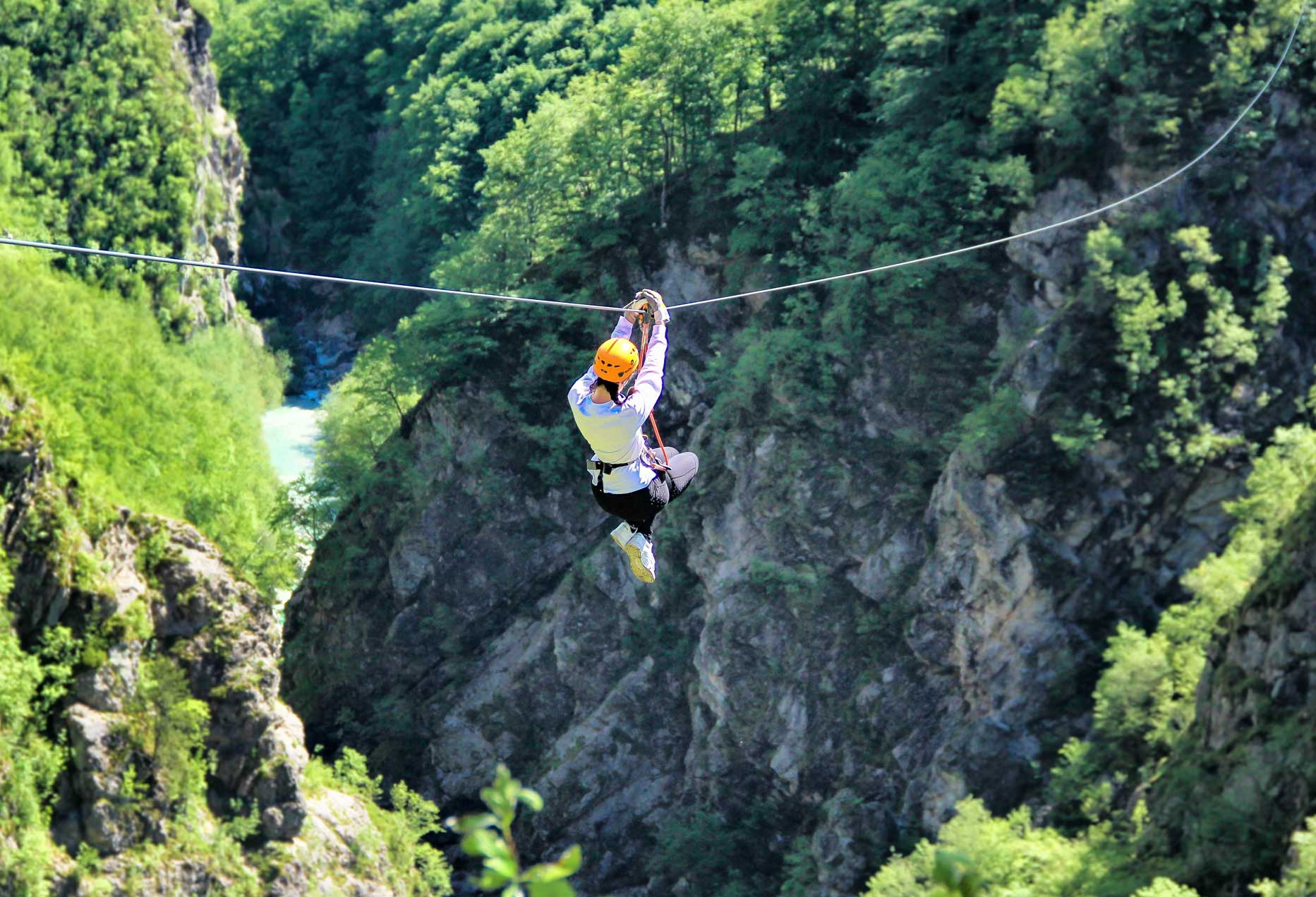
Učja Canyon's zipline tour sends participants across one of Slovenia's most dramatic alpine gorges, suspended by steel cable above emerald pools and limestone cliffs. The question of safety matters here because the environment is genuine—wild water, exposed crossings, and elevation changes that demand proper equipment and operator protocols. This guide examines the actual risk profile, equipment standards, and the factors that separate recreational ziplining from genuine danger.
Quick answer
Ziplining in Učja Canyon carries low statistical risk when operated under European safety standards, with serious injuries rare across commercial alpine zipline operations in Slovenia. The Učja tour uses certified harnesses, redundant attachment systems, and continuous cable inspection protocols required under Slovenian adventure-tourism regulations. Risk factors include human error during self-clipping transitions, adverse weather that increases cable sway, and pre-existing medical conditions that contraindicate sudden deceleration forces.
The Učja Canyon zipline operates within a regulatory framework that treats commercial adventure activities as controlled-risk environments rather than extreme sports. Slovenia's tourism safety standards mandate annual cable load testing, daily visual inspection logs, and operator certification through the Slovenian Alpine Association. The distinction matters because it separates this experience from unregulated zipline operations in jurisdictions where oversight is voluntary. The primary engineering safeguard is redundancy. Participants wear full-body harnesses with dual attachment points, meaning failure of a single carabiner or pulley does not result in a fall. The steel cables themselves are rated to loads five times the maximum anticipated weight, with tension monitoring systems that flag cable stretch before it approaches failure thresholds. Braking systems combine passive friction sleeves with active hand-brake gloves, giving guides control over descent speed without relying on participant skill. Human factors account for the majority of recordable incidents in alpine ziplining. The most common scenario involves improper self-clipping during platform transitions, where participants must detach from one safety line and clip into the next. Operator training at Učja emphasizes verbal confirmation protocols and physical checks before each launch. Weather introduces the second variable: high winds above 40 km/h increase lateral cable movement, which can complicate landings and require tour suspension. Rain reduces hand-brake effectiveness, requiring earlier braking initiation. The medical contraindications are specific. Ziplining generates deceleration forces during braking that can stress the cervical spine and shoulders. Individuals with herniated discs, recent shoulder surgery, or uncontrolled hypertension face elevated risk during the braking phase. Pregnancy beyond the first trimester is universally contraindicated due to harness pressure points and the inability to predict landing impact forces. The 2.5-hour tour duration includes uphill walking between platforms, requiring baseline cardiovascular fitness. Statistical context clarifies the risk magnitude. European adventure-tourism associations report serious injury rates for commercial ziplining between 0.5 and 2 incidents per 100,000 participants, comparable to downhill skiing and lower than road cycling. Fatalities in regulated operations remain exceedingly rare, typically involving pre-existing cardiac events rather than equipment failure. The Soča Valley region, where Učja Canyon sits, has maintained an incident-free record across its zipline operators since 2019, reflecting both the maturity of local safety protocols and the self-selection of participants who recognize their own limitations.
“Redundancy defines the safety architecture—dual attachment points ensure that no single component failure results in a fall.”
Because ziplining involves height and speed, some prospective visitors assume it is an unregulated or high-risk extreme sport. In reality, the activity is a strictly controlled environment governed by standardized safety protocols.
MythAll operations at Učja Canyon follow strict safety protocols, utilizing certified equipment and trained professional guides to monitor every participant.
FactThe zipline equipment is prone to failure
MythAll gear is subject to regular, rigorous technical inspections and maintenance schedules to ensure it meets safety standards for recreational use.
FactParticipants are left to navigate the course alone
Every zipline tour in Učja Canyon follows a structured safety protocol that takes approximately 2.5 hours from arrival to completion. The process layers multiple checkpoints—gear inspection, guided briefing, and incremental progression—to reduce risk at each stage.
Check in at Ledina 2 in Bovec between 07:30 and 17:00. Staff verify your booking and assess physical readiness before issuing a waiver—declaring pre-existing conditions here is required, not optional.
Guides distribute CE-certified equipment and adjust each attachment point individually. The harness leg loops and chest strap must sit snug; loose fittings are the most common cause of discomfort mid-tour.
Instructors demonstrate braking technique, body position, and hand placement on a stationary line. This rehearsal identifies anyone unfamiliar with the mechanics before the first launch.
A short shuttle transports the group to the upper trailhead. Use this time to ask final questions—once you begin the descent, communication becomes harder over wind and water noise.
The opening line sits closer to the ground and moves slower, allowing guides to observe your form and correct posture before higher segments. Hesitation here is normal; guides will not rush the launch.
Each subsequent zipline is cleared only after the previous rider lands and signals. Guides stationed at platforms perform a visual check of your carabiner lock before every departure.
After the final line, the group hikes back to the starting point. Guides collect equipment and confirm no injuries occurred during the tour.
The best arrival window for a zipline tour in Učja Canyon is 07:30–17:00, which minimizes exposure to peak midday congestion. Arriving early ensures a relaxed pace through the 2.5-hour experience while maintaining consistent operational safety standards.
—
Early arrivals allow for a relaxed pace during the 2.5-hour tour.
Mild temperatures of 15°C to 22°C
Clear skies and dry conditions provide optimal visibility for the course.
Warm days averaging 25°C
Afternoon thunderstorms can occur, which may affect operational safety for the zipline.
Cooler temperatures of 10°C to 18°C
Stable weather conditions prevail, providing a calm environment for traversing the canyon.
Verdict: The best time to visit is during the early morning arrival window of 07:30 to 17:00, ideally during the more stable weather of May, June, or September.
The Učja Canyon zipline facility operates daily to provide consistent supervision and support for all participants. These operational hours ensure that professional guides are available throughout the week to manage safety standards.
Everything you need to know about is ziplining dangerous
The zipline in Učja Canyon is managed by professional guides who prioritize strict safety protocols to ensure a secure environment for all participants. While any high-altitude activity involves inherent risks, comprehensive training and modern equipment mitigate these factors significantly. Because professional oversight is constant, many visitors find that the question of is ziplining dangerous is addressed through the rigorous standard operating procedures in place. Participants are always secured with harnesses and helmets, and guides verify every connection point before launch to minimize risks. It is common for guests to wonder is ziplining dangerous before their first flight, but the systematic approach provides a stable experience. The entire excursion lasts approximately 2.5 hours, providing sufficient time for safety briefings and equipment checks. While you might ask is ziplining dangerous when it rains, operators pause tours during severe weather to maintain safety. The entrance fee is 72 EUR, which covers the tour, equipment, and required transport. Children must meet specific age or weight requirements defined by the operator to ensure the safety gear fits correctly and functions as intended.